Dry vs Wet Cylinder Liners — Differences and How to Choose
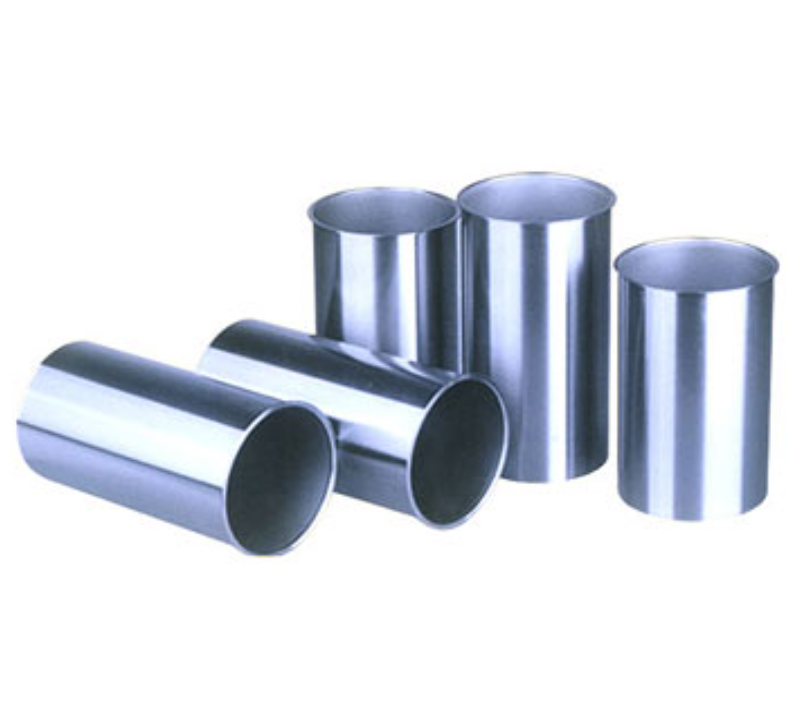
Choosing between a dry and a wet liner is one of the first questions in any repair or part selection. Both do the same job — they provide the running surface for the piston — but they differ in design, cooling and fitting. As a cylinder liner manufacturer, we explain the differences in practice.
Dry liner
A dry liner is thin-walled and pressed into an existing bore in the block. It has no contact with coolant — heat is removed through the block wall. It is used, among other things, to recondition blocks whose original bore has worn out.
- Thin wall, press-fit installation.
- Indirect cooling — through the block material.
- Ideal for repair and restoring the nominal dimension.
Wet liner
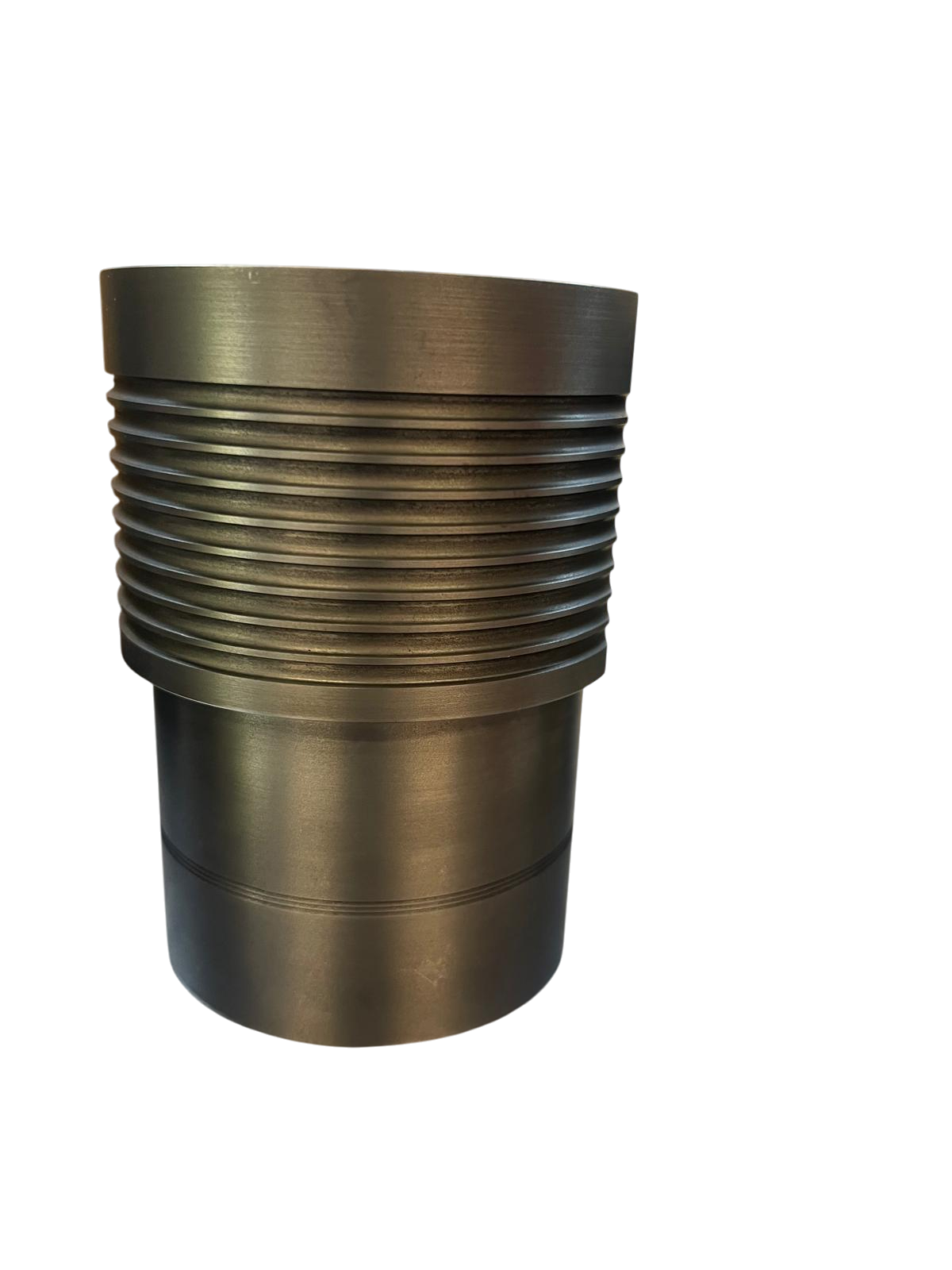
A wet liner is thick-walled and washed directly by coolant — its outer surface forms the wall of the cooling jacket. It provides very effective heat removal and is typical of many diesel engines and machines working under heavy load.
- Thick wall, sealed with O-rings at the base.
- Direct cooling — the best heat removal.
- Easier replacement without machining the block in many designs.
How to choose the right liner
- 1Check the engine design — it determines whether you need a dry or a wet liner.
- 2Establish the dimensions: internal diameter, length, flange and any oversize.
- 3Match the material to the operating conditions (e.g. thermal load in diesel engines).
- 4If in doubt, contact us — we also fulfill individual orders.
You cannot freely convert an engine from dry to wet liners — the liner type follows from the block design.
Need a dry or wet liner for a specific engine?
Ask about selectionFrequently asked questions
Which liner removes heat better?
The wet liner — it is washed directly by coolant, so it performs well in engines under heavy thermal load.
Can I use dry and wet liners interchangeably?
No. The liner type follows from the block design — blocks for wet liners have cooling jackets and seal seats that blocks for dry liners do not.
Up to what diameter do you produce liners?
We produce dry and wet liners with internal diameters up to 240 mm, also to order according to customer specification.
See also
Need cylinder liners or valve seats?
We will match a part to your engine or make it to order.
Contact us