Valve Seats for LPG Engines — Why Standard Ones Are Not Enough
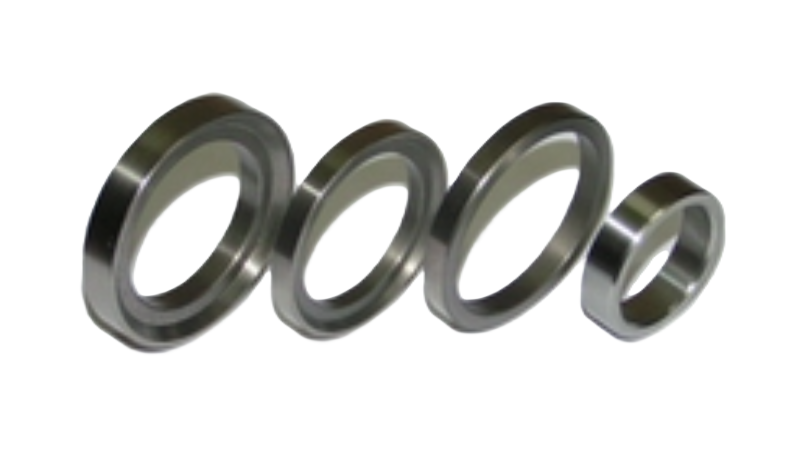
An LPG conversion saves on fuel, but it also changes the operating conditions of the most heavily loaded parts of the head — the valves and their seats. Many drivers only find out when compression drops. As a valve seat manufacturer, we explain the problem.
Why gas is harder on valves
Gas burns at a higher temperature, and gaseous fuel does not form the thin protective film on the valve that petrol provides. As a result, the valve seat runs hotter and more "dry", so it wears faster and, in extreme cases, burns away (recession).
Symptoms of burnt seats
- A drop in compression on one or more cylinders.
- Rough running and a shaky idle.
- Power loss and higher fuel consumption.
- Harder starting.
The solution — seats designed to run on gas
The answer is to use seats made of a material resistant to high temperature and friction. We produce valve seats in three versions matched to operating conditions:
- 1For petrol engines — heat-resistant cast iron.
- 2For petrol-gas engines — cast iron developed for more demanding conditions (LPG/CNG).
- 3For diesel engines — cast iron for particularly tough conditions.
With an LPG car it pays to choose seats designed for gas at the first head repair — it is cheaper than a second repair.
Need valve seats for a gas engine?
Ask about selectionFrequently asked questions
Does every LPG car need special seats?
Not always — some modern heads are factory-prepared for gas. On older designs and with intensive use, seats designed for gas significantly extend service life.
Does a lube additive ("flashlube") replace harder seats?
Valve-lubricating additives reduce wear but do not change the seat material. On heavily loaded engines, seats designed for gas are the most reliable solution.
Do you make seats for a specific engine model?
Yes — we fulfill individual orders to customer specification for all types of engines.
See also
Need cylinder liners or valve seats?
We will match a part to your engine or make it to order.
Contact us