Symptoms of Worn Cylinder Liners — How to Spot Them
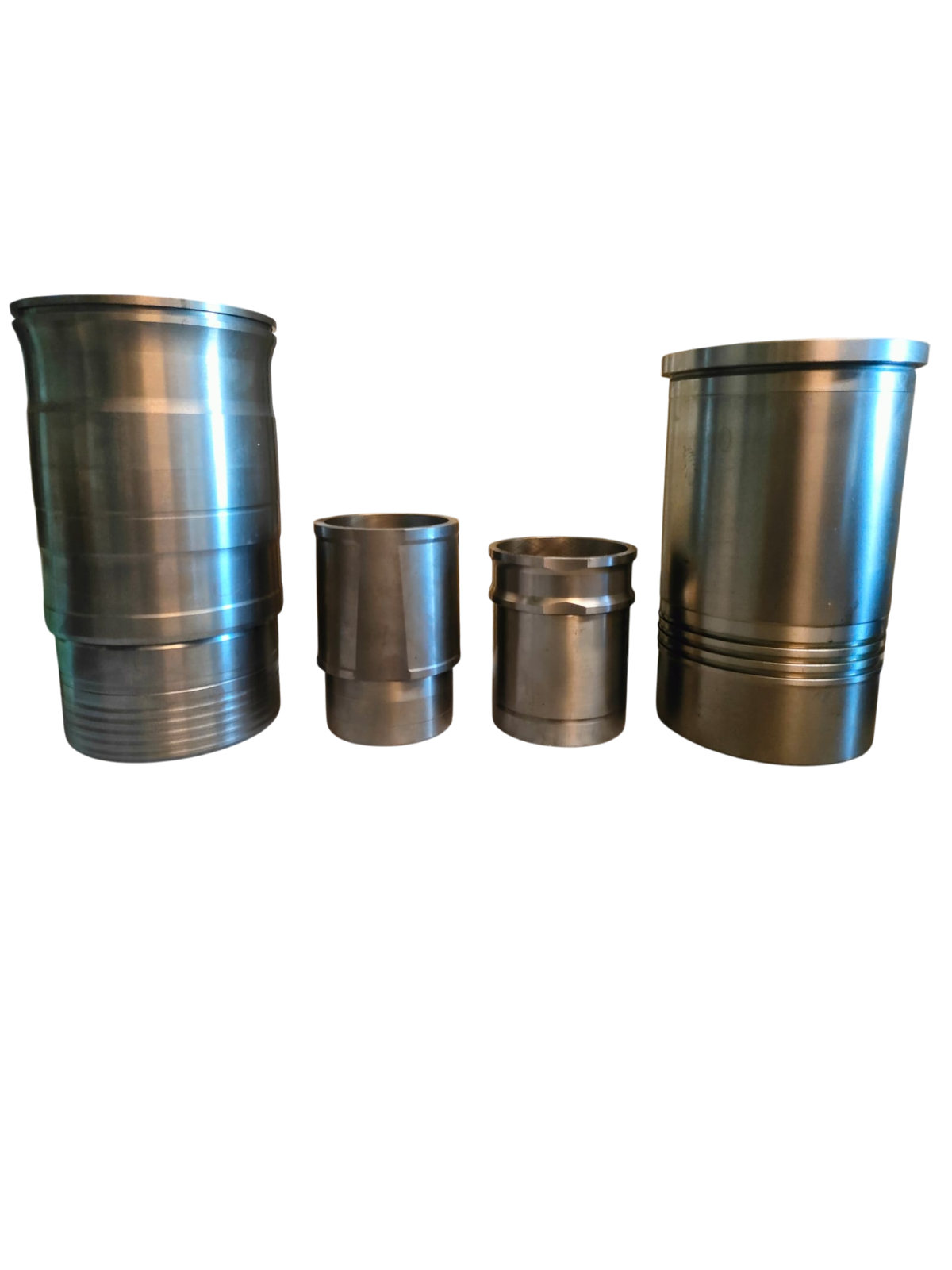
A cylinder liner works in extreme conditions — high temperature, pressure and friction. Over time its surface wears, which shows up as lower performance and rising oil consumption. The earlier you spot the symptoms, the better the chance that regeneration will be enough instead of a costly repair.
The most common symptoms of wear
- Increased oil consumption — the engine "uses" oil between services with no visible leaks.
- Bluish exhaust smoke, especially on start-up and acceleration.
- A drop in compression and power, and harder cold starts.
- Knocking and louder operation on a cold engine (piston-to-liner clearance).
- Rising crankcase pressure (combustion blow-by).
Where wear comes from
The cause is often natural, long-term friction, but the process is accelerated by: running on cold oil, contaminated air (a damaged filter), engine overheating and a too-smooth, polished wall that has lost its cross-hatch honing pattern.
Regeneration or replacement?
The decision depends on the degree and type of wear. With minor ovality and scratches, machining and honing are often enough. With deep scoring, cracks or an exceeded maximum oversize, a new liner is required.
- 1Diagnostics — measuring diameter, ovality and taper, plus a compression test.
- 2Regeneration or honing — when the material and geometry allow it.
- 3Replacement with a new liner — when wear exceeds the repair limit; we will match a dry or wet liner to your engine.
Not sure whether your liner qualifies for regeneration?
Talk to usFrequently asked questions
Do worn liners always have to be replaced?
No. With minor wear, regeneration and honing are often enough. Replacement is only required for deep damage or when the maximum oversize has been exceeded.
Does high oil consumption always mean worn liners?
Not necessarily — the cause may also be the rings, valve guides and seals, or the turbocharger. That is why reliable diagnostics matter before any repair.
How long do cylinder liners last?
With correct operation and regular oil changes, they last hundreds of thousands of kilometres. Overheating and contaminated air shorten their life.
See also
Need cylinder liners or valve seats?
We will match a part to your engine or make it to order.
Contact us